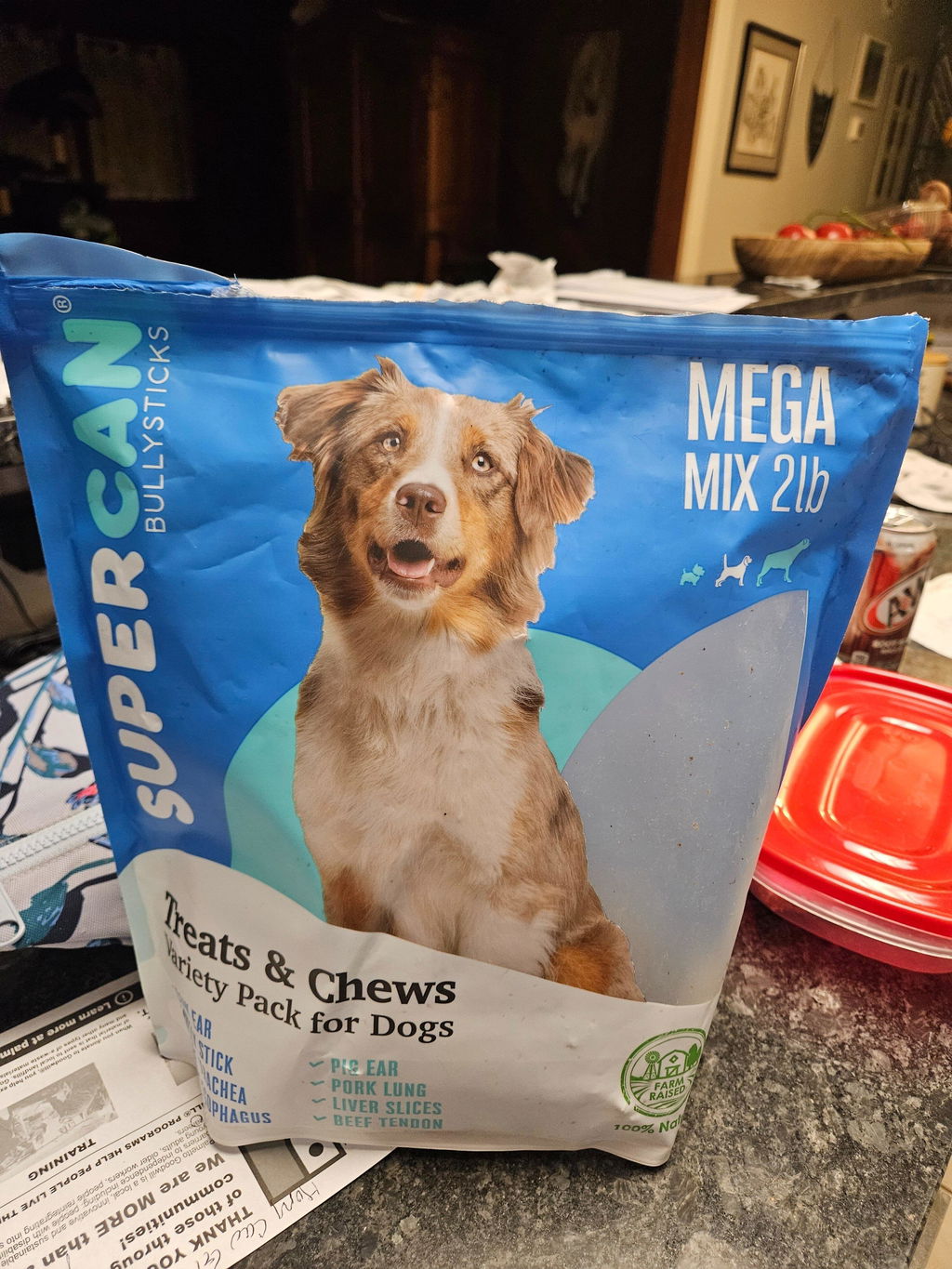
Dog Chews for Weight Management: How to Treat Without Sabotaging the Diet

Managing a dog's weight doesn't mean eliminating treats entirely. It means choosing the right treats and accounting for them intelligently. Natural chews can absolutely be part of a weight management plan — here's how to do it right.
The Treat Calorie Problem
Most commercial dog treats are surprisingly calorie-dense and nutritionally empty — essentially doggy junk food. When you're trying to help your dog lose or maintain weight, these treats can silently sabotage your efforts. Natural single-ingredient chews offer a much better calorie-to-benefit ratio.
Lower-Calorie Natural Chew Options
Gullet Sticks
Beef gullet is naturally lower in fat and calories than bully sticks while still providing high protein. An added bonus: the glucosamine and chondroitin support joint health, which is especially important for overweight dogs whose joints are under extra strain.
6" Standard Bully Sticks
The 6" standard size provides a satisfying chew experience with approximately 60-80 calories — manageable for most weight-conscious diets.
Pig Ear Slivers
Thin slivers rather than whole ears significantly reduce calorie content while still providing chewing satisfaction.
How to Account for Chew Calories
- Know your dog's daily calorie target (ask your vet or use an online calculator)
- Estimate the calories in the chew you're giving
- Reduce the main meal portion by that amount on chew days
- Track over a week to ensure overall calorie balance
The Mental Health Benefit Matters Too
Bored, frustrated dogs are more likely to beg and scavenge — behaviors that undermine weight management. Giving appropriate chews reduces food-seeking behavior and keeps dogs mentally satisfied, which actually supports the diet rather than undermining it.
SuperCan beef gullet sticks are our top recommendation for weight-conscious dogs — naturally lower in fat, high in protein, and packed with joint-supporting glucosamine for dogs whose joints are working harder than they should be.