Dog Chews: Made in USA vs Imported — What Really Matters

When shopping for dog chews, one of the most common questions is: does it matter where they're made? The short answer is yes — but the full picture is more nuanced than a simple "buy American" rule.
Why Country of Origin Matters
Different countries have different food safety standards, agricultural practices, and regulatory oversight. These differences directly affect the quality, safety, and consistency of pet products.
The USA Standards Advantage
Products processed in the United States are subject to USDA and FDA oversight, which sets strict standards for:
- Facility cleanliness and food safety protocols
- Ingredient sourcing and labeling requirements
- Testing for pathogens like salmonella
- Worker safety and manufacturing practices
What About Imported Products?
Not all imported chews are inferior — the key is the specific country and the specific facility. Some countries in South America, for example, have cattle that are raised on open pastures with minimal antibiotic and hormone use — producing higher-quality beef than many domestic feedlot operations.
The best approach: look for chews that are sourced from high-quality international suppliers AND processed/packaged in FDA-regulated facilities in the United States.
Red Flags Regardless of Origin
- No information about the manufacturing facility
- Vague ingredient sourcing ("natural beef" with no country specified)
- Multiple ingredients when single-ingredient should suffice
- No quality guarantee or return policy
- Extremely low prices that suggest corners are being cut
What to Look for on the Label
- "Processed in USA" or "Packaged in USA" — indicates domestic facility standards
- Specific country of origin for the raw material
- Facility certification (USDA, SQF, HACCP)
- Company contact information and transparency about sourcing
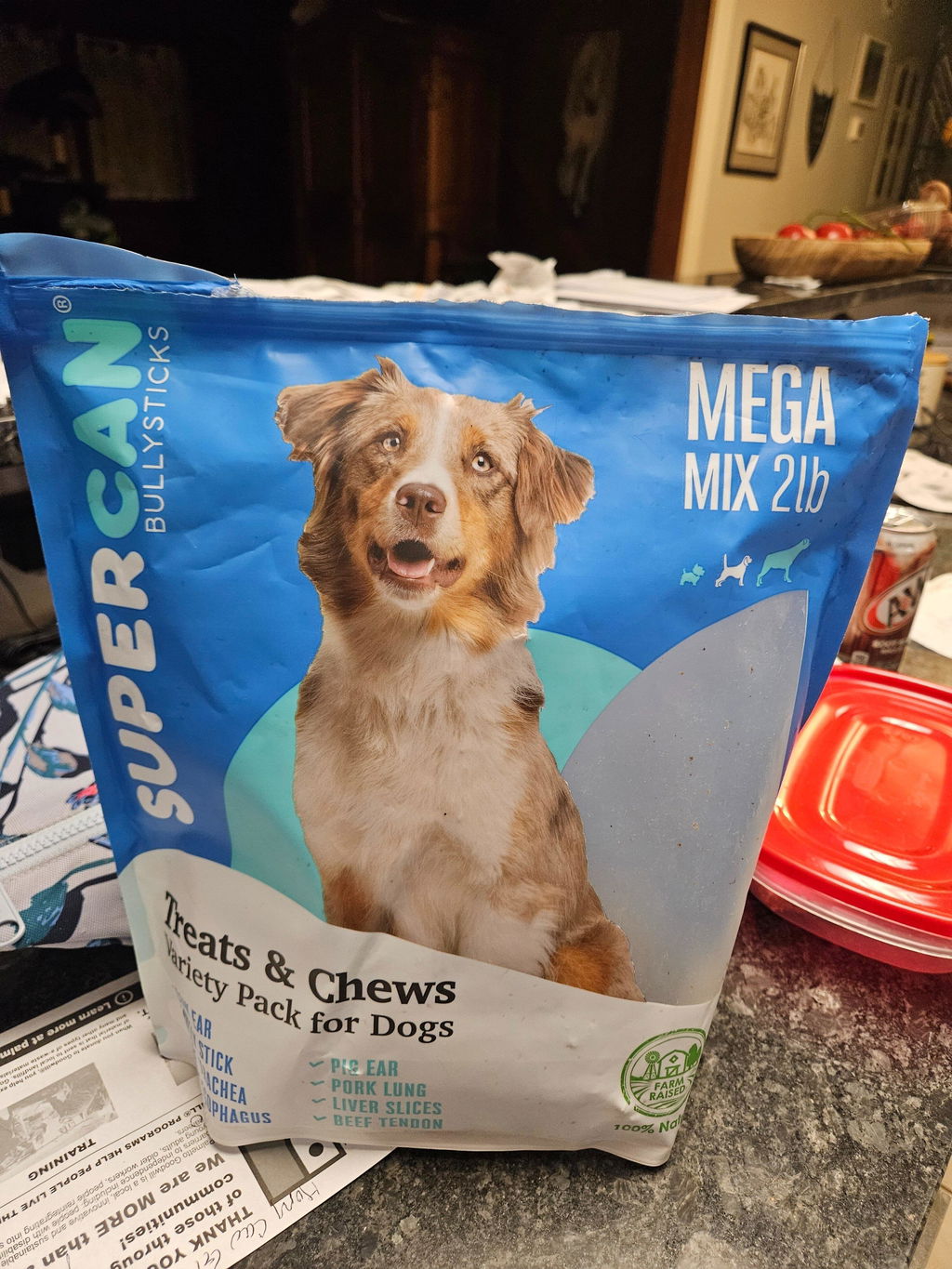
SuperCan chews are sourced from grass-fed, free-range South American cattle — where open-pasture raising is standard — and processed in our food-grade Miami warehouse, operating under US food safety standards. The best of both worlds.