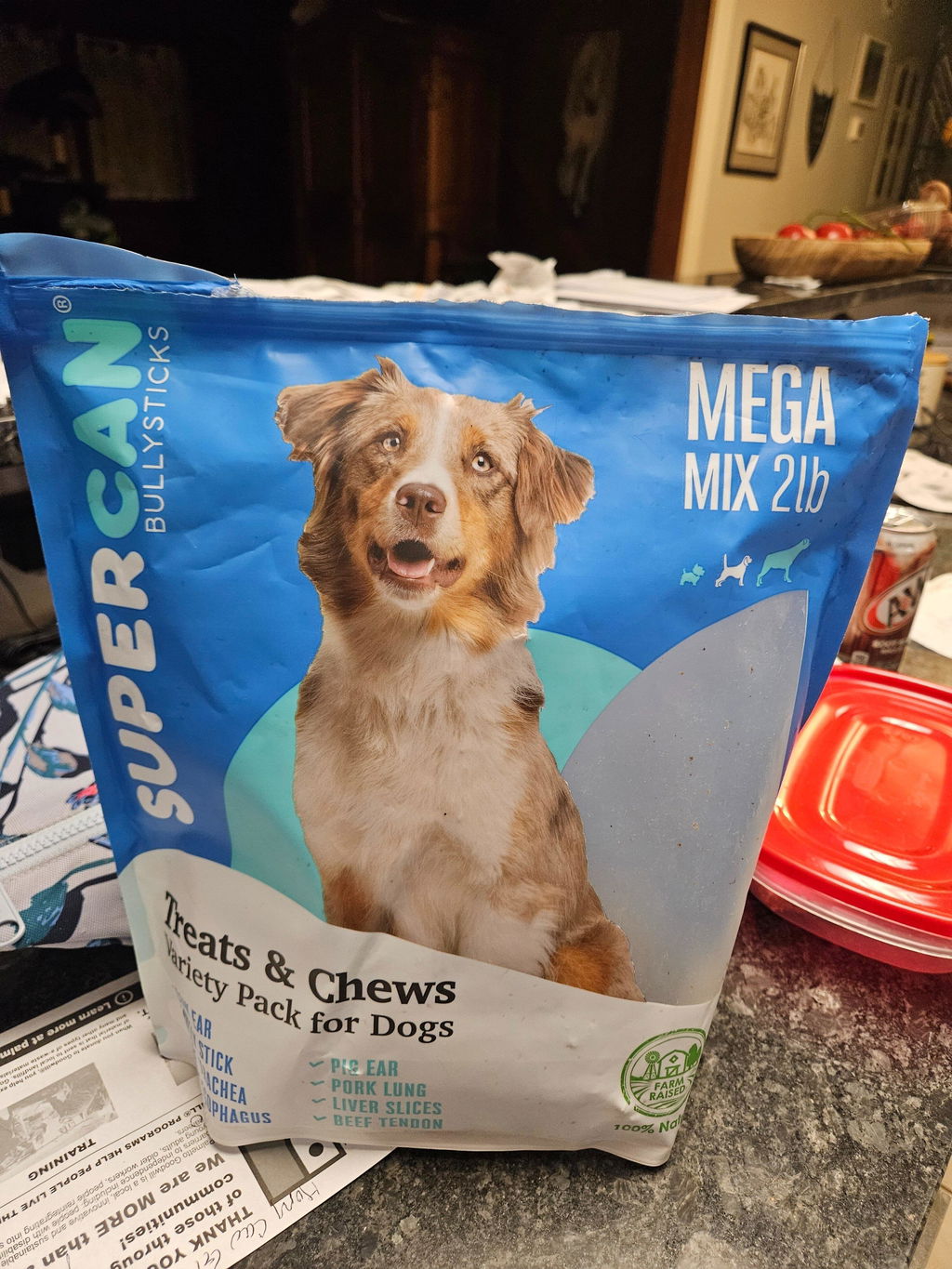
Natural Dog Chews vs Synthetic Chews: An Honest Comparison

Every dog owner faces the choice at some point: natural chews or synthetic chews like Nylabones? Both have their advocates, and both have their place — but understanding the real differences helps you make the best choice for your dog.
What Are Synthetic Chews?
Synthetic chews (Nylabone being the most well-known) are made from nylon, rubber, or other plastic-based materials infused with flavoring. They're designed to be extremely durable and long-lasting — some are marketed as nearly indestructible.
The Core Difference: Digestibility
This is the fundamental divide. Natural chews are fully digestible — they break down in the digestive system just like food. Synthetic chews are NOT digestible. Small pieces that break off and are swallowed pass through the system (or sometimes don't, causing problems).
Side-by-Side Comparison
| Factor | Natural Chews | Synthetic Chews |
|---|---|---|
| Digestibility | Fully digestible | Not digestible |
| Nutrition | High protein, collagen, minerals | No nutritional value |
| Durability | Consumed and replaced | Very long-lasting |
| Ingredients | Single-source protein | Nylon/rubber + artificial flavoring |
| Dental benefit | Good mechanical cleaning | Some mechanical cleaning |
When Synthetic Chews Might Make Sense
For extremely aggressive chewers who destroy every natural chew in minutes, a durable synthetic chew might be used as a complement — not a replacement — for natural options. However, they should be monitored closely for pieces breaking off.
Our Recommendation
For most dogs, natural single-ingredient chews are the superior choice. The combination of digestibility, nutrition, and genuine dental benefit makes them worth the cost of replacement. Synthetic chews may last longer, but they provide zero nutritional value and carry digestibility risks.
SuperCan's range of natural chews covers every chewing need — from light chewing to power chewing — without the risks associated with synthetic materials.